

Certified Fair Play 20p Roulette Game Relied upon by UK Gaming Community
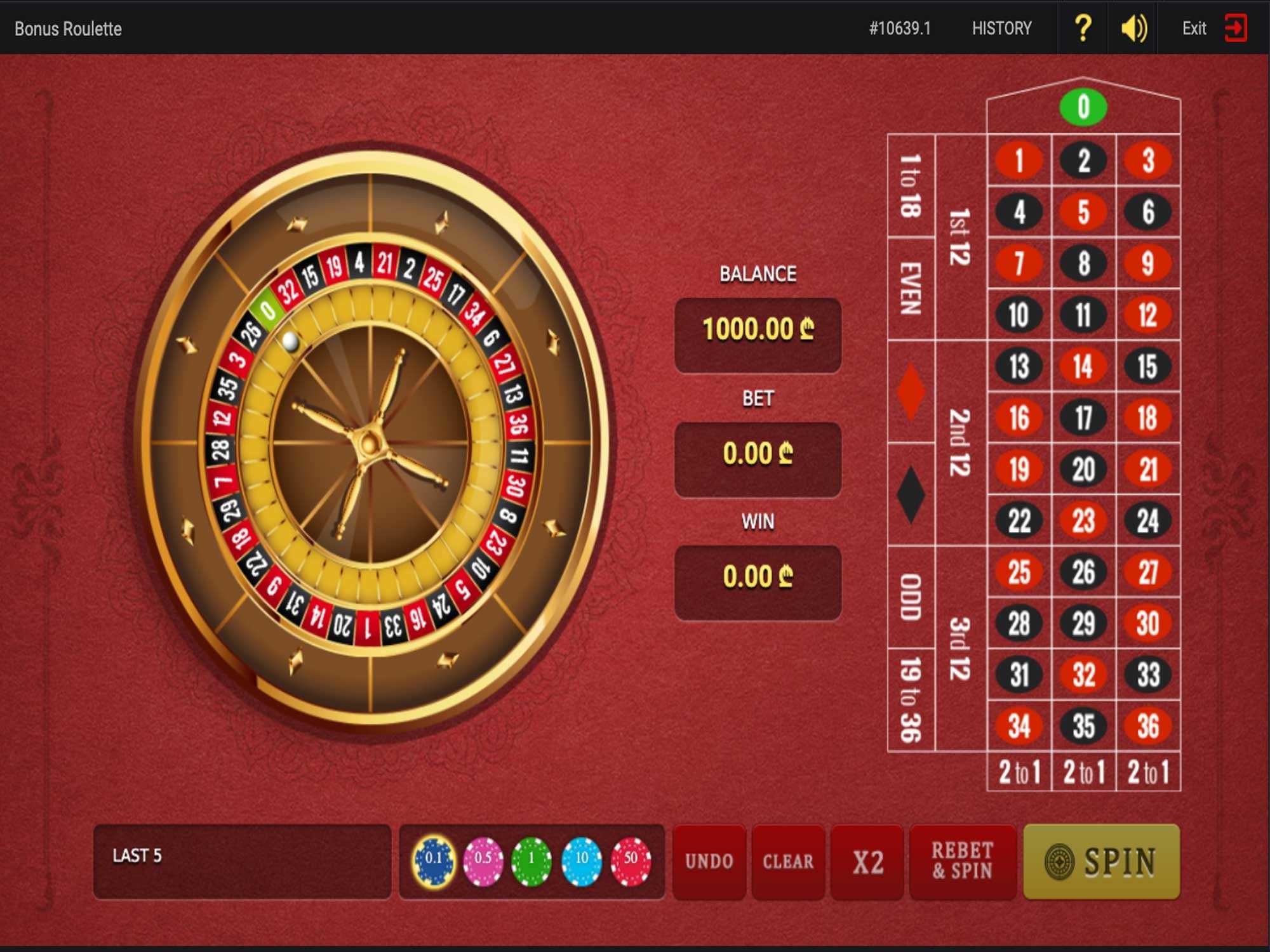
As someone who analyzes online roulette, I find a dedicated 20p game genuinely compelling. It opens up a classic casino experience, eliminating high-stakes anxiety and redirecting focus to strategy and enjoyment. The « Fair Play Certified » designation is a crucial indicator of integrity in an industry where trust is paramount. This review explores this low-stakes variant, detailing why its certified fairness and community trust make it a standout option for newcomers and seasoned players looking for sustainable entertainment without significant financial pressure.
Why a Exclusive 20p Minimum Bet Roulette Game Counts

Online roulette tables frequently start at £1 minimums, increasing a session’s cost quickly. A specialized 20p minimum game basically alters the risk profile. It allows for prolonged playtesting of systems like Martingale or Fibonacci without requiring a deep bankroll. For me, this low entry point changes roulette from a high-pressure gamble into a more analytical, prolonged entertainment. It promotes learning the wheel’s intricacies, betting layout, and probability free from the emotional toll of larger losses. This accessibility builds a loyal community of players who appreciate the game itself, not just the potential payout.
This approach appeals ideally to the modern player’s desire for control and budget management. You can spin the wheel fifty times with just £10, an impossibility on standard tables. This longevity offers more data to understand game flow and variance. From a reviewer’s perspective, it permits for thorough assessment of game mechanics and software stability over hundreds of spins. A dedicated platform for this stake level indicates a developer committed to inclusivity and long-term player engagement over quick, high-profit turnovers, which I find commendable.
The Critical Importance of Fair Play Certification
Fair Play Certification is the cornerstone of trust in any real-money online game. When I review a game, this certification is my first checkpoint. It means the Random Number Generator (RNG) has been thoroughly tested by independent agencies like eCOGRA or iTech Labs. These audits verify every spin is random, unpredictable, and free from manipulation, ensuring the house edge is purely mathematical and transparent. For a 20p game, this is as critical as for a £100 game; fairness does not scale with bet size.
This certification enables me, and the wider community, to play with confidence. It confirms the published Return to Player (RTP) percentage, typically around 97.3% for European Roulette, is accurate and achievable long-term. This transparency separates reputable platforms from questionable ones. The certification requires ongoing audits, meaning the operator is committed to continuous integrity. A certified 20p roulette game provides a safe environment where outcomes are genuinely left to chance, making any winnings feel truly earned and any losses accepted as part of a fair game.
What RNG Audits Actually Check
The technical process behind Fair Play Certification involves thorough RNG algorithm testing. Auditors run millions of simulated rounds to check for statistical anomalies, ensuring number distribution aligns with expected probability models for a physical wheel. They also examine the software’s code for hidden functions or backdoors that could influence outcomes. This scrutiny guarantees the ball has no memory and each spin is independent, a non-negotiable principle for a genuine game of chance that I rely on.
Comprehending Published RTP in Low-Stakes Play
The published RTP becomes particularly significant in a low-stakes setting. While the house edge remains constant, playing at 20p per bet lets you experience the game’s natural variance—those swings of luck—over a much longer session. You can observe how the theoretical RTP manifests over time without devastating your bankroll. This hands-on understanding of probability is an educational benefit rarely gained from higher-stakes play, where financial pressure often clouds objective observation and learning.
Attributes That Establish the Reliable 20p Roulette Session
A dependable 20p roulette game extends credibility outside certification into its user experience. From my analysis, the interface should be clean, intuitive, and free from distracting gimmicks that promote thoughtless betting. Key data like bet history, current balance, and clear payout charts should be immediately accessible. The game should offer standard European Roulette rules (single zero) for the best player odds, with the 20p minimum applying consistently across all inside and outside bet types, not just straight-up numbers.
Customization is another key feature. The ability to save favorite bet patterns or use quick-repeat functions enhances low-stakes strategic play. A detailed statistics panel showing hot/cold numbers, while not predictive, helps personal tracking. Furthermore, performance should be flawless—quick spin animations with no lag, instant credit of winnings, and seamless functionality on both desktop and mobile. These elements create an environment where the player experiences in control, informed, and respected, which is vital for fostering a trusted community.
- Ultra-Low Minimum Bet: Uniform 20p minimum across all bet types for maximum accessibility and bankroll management.
- Certified RNG & Clear RTP Display: Independent fairness verification with the game’s theoretical Return to Player percentage prominently displayed.
- Clean, Customizable Interface: An organized layout with options to save custom bets and access detailed game history and statistics.
- Mobile-Optimized Performance: Smooth, reliable gameplay on smartphones and tablets without sacrificing features or visual clarity.
The way the UK Gaming Community Confirms Trust
The UK gaming community is one of the world’s most demanding, operating under strict UK Gambling Commission regulations. When this community collectively trusts a platform, it carries significant weight. My analysis always involves searching independent forums, review sites, and player testimonials. Consistent praise for a 20p roulette game usually revolves around prompt payouts, responsive customer service, and a lack of predatory terms. This genuine, community-driven validation is a powerful trust signal that often surpasses official certifications.
Community trust is established over time through transparency and consistent positive experiences. Players share long session stories, noting fair outcome distribution over thousands of low-stakes spins. They discuss the absence of technical glitches and the professionalism of support teams. This collective voice acts as a real-time audit. For me, observing a game frequently recommended by experienced players as a « fair » low-stakes option is a compelling endorsement. It shows the game provides on its promises in the real world, not just in a testing lab, which is the ultimate test.
Game Strategy and Fund Control at 20p Stakes
The 20p stake level presents special strategic possibilities frequently too dangerous at higher bets. With a modest £20 bankroll, you have 100 betting units, allowing you to implement progression systems or include large wheel sections with split and street bets. My approach is to use the low financial impact per spin to accumulate data. I might record results of focusing on even-money outside bets versus a coverage strategy on a specific sector, all while maintaining detailed notes over hundreds of spins.
Effective bankroll management transforms into a practical exercise as opposed to just theory. I advise setting a strict session limit—for example, £10 for 50 spins—and sticking to it. The low stake makes psychologically easier to walk away. This discipline is the most valuable strategy. Furthermore, you can experiment with different bet sizing relative to your balance without fear of ruin. The goal transitions from « winning big » to « maximizing entertainment and learning, » which is the healthiest way to interact with any game of chance.
- Define Your Session Bankroll: Choose a fixed amount you are comfortable spending for a single playing session (e.g., £10). This is your entire budget for that period.
- Set a Loss Limit: Establish a point at which you will stop if you are losing (e.g., lose 50% of your session bankroll). The 20p stakes simplify to adhere to this rule.
- Experiment with Bet Structures: Use the low cost per spin to test different betting patterns and watch the results over many spins without pressure.
- Track and Analyze: Keep a simple log of your sessions. Record strategies used, duration, and outcome. This transforms play into a learning experience about probability and your own habits.
Comparing the 20p Roulette Game to Standard Tables
Analyzing this dedicated 20p game against standard online tables uncovers profound differences aside from the minimum bet. Standard tables cater to a mix of low and high rollers, which can create a pressured environment, notably with prominent « table limits » displays. The 20p game’s entire ecosystem is designed for a more relaxed pace. Its community inclines to share a mindset focused on extended play and strategy rather than quick, high-risk wins, which I prefer for analytical sessions.

Moreover, software for a dedicated low-stakes variant is often simplified for simplicity and performance. You’re unlikely to encounter complex side-bets or multi-wheel variations that muddy odds. This focus on the core European Roulette experience serves purists. From a trust perspective, a platform featuring a game with such a low profit margin per spin often signals a business model built on volume and player loyalty, aligning with fair, sustainable practices. It shows commitment to serving all community segments responsibly.
Frequently Asked Questions
Is the 20p Roulette game genuinely random and fair?
Certainly, if it is Fair Play Certified. Independent testing labs thoroughly audit the game’s Random Number Generator (RNG) to ensure every spin’s outcome is fully random, random, and impartial. The certification assures integrity and a precise advertised house edge, rendering it as fair as roulette in a licensed physical casino.
What is the biggest advantage of playing 20p Roulette?
The key advantage is outstanding bankroll longevity and lower financial risk. A £10 bankroll offers you 50 spins, 20P Roulette Table Games, permitting prolonged gameplay, thorough strategy testing, and a relaxed learning environment. It transforms roulette into prolonged, tactical entertainment as opposed to a high-pressure gambling session, perfect for beginners and budget-conscious players.
Is it possible to win real money with such small bets?
Without a doubt. While individual wins are lower, payouts are relative. A 20p bet on a single number pays £7.20 should it win. The low stake lets you play through normal variance without exhausting your bankroll, giving a chance to achieve a winning streak and accumulate profit over time in more modest, more sustainable amounts.
How does Fair Play Certification differ from a UKGC license?
A UK Gambling Commission (UKGC) license is a regulatory necessity covering anti-money laundering, player protection, and operator integrity. Fair Play Certification is a specific technical seal for the game software itself, verifying the RNG and game math. A licensed operator should use certified games, so check for both when judging a platform’s trustworthiness.
Is this game suitable for testing roulette strategies?
It is the perfect environment for strategy testing. The minimal cost per spin lets you conduct simulations of systems like Martingale or D’Alembert over hundreds of spins without substantial loss. You obtain practical data on how these strategies perform against variance and house edge in a real, low-risk setting.
Are there any hidden wagering requirements on winnings?
This depends on the individual platform. In my analysis of reputable, community-trusted sites, winnings from standard real-money play are yours to withdraw, subject only to standard verification. Always review bonus terms, as promotions often have requirements. For pure cash play, there should be no hidden rollover conditions on genuine winnings.
How should I proceed if I suspect the game is not functioning fairly?
First, check the game’s certification seal and confirm its legitimacy on the auditor’s website. If issues remain, reach out to the casino’s support with particular information. Reliable operators treat this with importance. As a ultimate option, you can raise a complaint with the UK Gambling Commission if the operator is licensed by them, as they require strict fairness procedures.
Related Post
Les Bonus d'Activité Provoquent les Gains et les Fonctionnalités de Jeu à Cowboy Spin Casino
Read More