

Accounting Appointment Gonzo’s Quest Megaways Slot UK Accounting
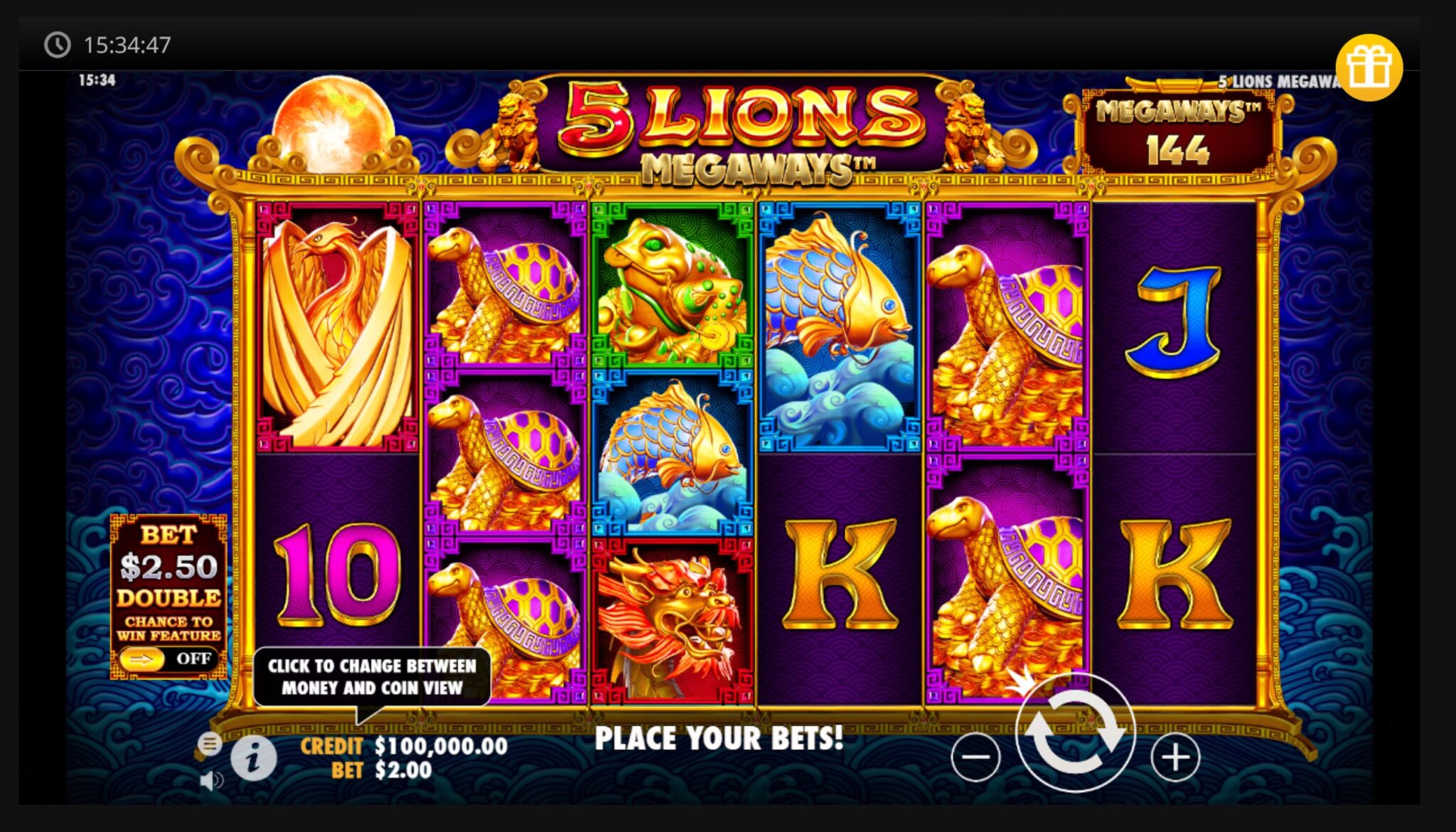
Two domains seldom intersect: the precise, systematic domain of money management and the loud, colorful universe of online slots. This piece approaches it differently. It considers the Gonzo’S Quest Megaways Slot Immersive Gaming Experience through the framework of a UK tax preparation appointment. This unlikely match illuminates tactics, worth, and the importance for accurate details, whether you are dealing with a slot machine or a Self Assessment form.
Grasping the Core Ideas: Gonzo and Taxation
To begin, let’s explain our terms. Gonzo Quest Megaways is a popular online slot. It uses the Megaways mechanism, which varies the number of symbols on each reel, generating thousands of prospective winning combinations. A UK tax preparation appointment is a arranged meeting. Its aim is to organise your financial information, submit it to HMRC, and properly reduce your tax bill. Both situations require that you grasp a set of rules, operate with variable elements, and handle your resources.
The tie is greater than just a clever comparison. At core, both pursuits are about assigning finite resources when you cannot be sure of the immediate consequence. With the slot, you dedicate your time and money versus the game’s fixed Return to Player (RTP) rate. With tax, you distribute your income across various reliefs to reduce your tax burden. The critical skill is the identical: operating inside a fixed system that has chaotic short-term outcomes but increasingly foreseeable long-term patterns.
You notice this in the organisation stage. A player studies the paytable to learn how the bonus rounds function. A taxpayer gathers their P60, bank statements, and receipts for business expenses. This foundation transforms everything. It turns a random event into a considered action. Omit this step, and you’re just hoping for the best. Complete the work, and you can actually affect the result, staying inside of the rules of the game or the tax code.
The Megaways Mechanism: A Analogy for Economic Complexity
Big Time Gaming’s Megaways system makes each spin distinct. The number of symbols on each reel varies every time. This creates a unstable, uncertain environment. A ordinary tax year mirrors this. Income fluctuates, deductible expenses shift, and the government might modify the rules with a new budget. You simply cannot know the exact outcome of a spin or your final tax bill until every variable is finalized. This intricacy merits your consideration and regard.
Consider the numbers. A Megaways slot can offer over 100,000 possible symbol arrangements on a single spin. A single tax year contains a similar scale of variables. You might receive a salary, freelance income, dividends from investments, and savings interest. Tax bands change, allowances like the Dividend Allowance get cut, and you might sell an asset for a gain. The final output—your slot win or tax calculation—stems from countless interconnected parts.
This is where professional advice shows its value. A good accountant understands this complexity intuitively, like a seasoned player who has mastered a game’s engine inside out. They don’t just react to the final numbers. They simulate different scenarios based on the mechanics. They guide you prepare for likely outcomes, so the system’s natural unpredictability doesn’t take you by surprise.
Determining Your Finances: Bankroll Management and Tax Reliefs
Any reasonable slot session commences with bankroll management. You determine ahead of time what you can stake. Effective tax preparation commences with a parallel step: knowing your personal allowances and thresholds. In the UK, you get a Personal Allowance, a Savings Allowance, and a Dividend Allowance, for beginners. These amounts form your financial session budget. They set the playing field before the financial year even commences.
Treat both your gaming and your finances with this level of seriousness. Reserving money you can afford to lose on slots echoes the core principle of setting aside for your tax bill. Taking this step in advance avoids unwelcome shocks. It holds both activities under management and reduces stress. It represents the foundation of sustainable participation, if for pleasure or obligation.
Let’s dissect those essential UK allowances, your economic « budget. » The Personal Allowance is your principal shield, enabling you receive a certain amount tax-free. The Starting Rate for Savings offers a separate £5,000 allowance for savings interest if your other income is low. The Personal Savings Allowance offers basic-rate taxpayers £1,000 in tax-free savings interest. Each allowance is a defined portion of your financial bankroll, just as a player might divide their session bankroll for different bet sizes.
Neglect this budget, and you encounter the same problem in both fields: ruin. A player who neglects bankroll management can forfeit their rent money. A taxpayer who doesn’t understand their allowances can receive an unforeseen tax demand, plus fines for delayed payment. The required discipline is equivalent. Know your limits ahead of you enter into a volatile system.
Variance and Exposure: Slot Variance vs. Tax Liability Fluctuations
Gonzo’s Quest Megaways is a high-variance slot. Wins may not occur often, but they can be substantial when they do. Your tax liability can mirror the same pattern, particularly if your income changes. Freelancing, freelance work, or investment returns can create this effect. A year of strong profits results to a bigger tax bill (a major win for HMRC). A quiet year means a smaller one. You must plan for both, building a buffer in good years to cover the obligations in lean ones. This mirrors a player’s long-term strategy to preserve their bankroll.
You need to understand the nature of your income, just as you’d study a slot’s paytable. Freelance income often functions like a high-volatility game. A stable salary is more like a low-volatility slot. Your preparation should adjust. For volatile income, we suggest quarterly check-ins. View of it as a player pausing to assess their session. Every time you get paid, immediately shift a percentage into a separate savings account for tax.
This action smooths out the variance. It guarantees money will be there when the annual « tax spin » ends. It converts a potentially chaotic financial year into something manageable. This tactic is termed « tax provisioning. » For anyone self-employed, it’s crucial. A common guideline is to allocate 25% to 30% of your gross profit. This should account for Income Tax and National Insurance Contributions.
Bear in mind the risk of legislative change, which adds another layer of volatility. A government budget can implement new reliefs or scrap old allowances, altering the game’s rules mid-session. A proactive stance means keeping an eye on proposed tax changes. It’s like a player reading update notes for their favourite game. You then modify your provisioning rate or investment strategy to soften any new risks.
Complimentary Spins and Reliefs: Maximizing Value
In Gonzo’s Quest, the big wins often happen during the Avalanche feature and the Free Falls bonus round. In UK tax, permissible expenses and deductions work the identical way. They enhance your position. Claiming all legitimate business costs, pension contributions, or charitable donations is similar to triggering a worthwhile bonus feature. It decreases your taxable income, which lowers your final bill. You must be as thorough in claiming these as a player is in attempting to land the scatter symbols.
The range of possible deductions is broad, but each claim must be completely and exclusively for business. Common categories encompass office supplies, travel, uniforms, staff wages, and stock for resale. The essential part is record-keeping. Keep evidence for everything, because HMRC can ask to see it. The gameplay here is spotting every qualifying « scatter symbol » in your financial records to activate the deduction bonus.
- Business Expenses: Journeys, equipment, office costs, professional subscriptions, use-of-home allowance.
- Pension Contributions: Tax relief on personal contributions, which functions like a government top-up on your retirement savings.
- Charitable Donations: Gift Aid lets charities reclaim tax. Higher-rate taxpayers can claim back the difference on their Self Assessment.
- Marriage Allowance: You can move a portion of your Personal Allowance to your spouse or civil partner, saving money as a couple.
- Trading Allowance: For casual income, you can use the £1,000 allowance instead of subtracting actual expenses. It streamlines the process.
Enhancing these isn’t about evasion. It’s about efficient play within the written rules. An accountant shines here. They understand about niche deductions you might miss, like Research & Development tax credits for innovative small businesses or the Structures and Buildings Allowance. Their knowledge can convert a standard tax return into a high-value feature round, extracting extra value from your year’s work.
The Avalanche Feature: Compounding Growth in Finance

The slot’s renowned Avalanche feature triggers winning symbols disappear. New symbols then cascade down, often producing chain reactions of consecutive wins. This is a great metaphor for compound growth in finance. When you plow back investment dividends or the interest from a savings account, you create a similar cascading effect on your wealth. The principle is simple: small, consistent actions can set off progressively larger outcomes over time. This happens on the reels and in your savings account.
The power of this financial cascade is vast. Take a pension contribution. It gets immediate tax relief. It then grows free of tax inside the pension wrapper. The dividends it earns are re-invested to buy more assets, which then produce more dividends. That’s a multilayered avalanche. Using an ISA wrapper for savings or investments achieves the same thing. It shields all growth from tax, so 100% of the cascading gains stay in your pocket.
You can use this thinking to debt as well. Using a windfall to pay off a high-interest credit card starts a « negative interest avalanche. » The money you keep on future interest payments is freed up to pay down more of the principal debt. This quickens the process. It’s the tactical mirror of the slot’s Avalanche: a self-reinforcing cycle that betthers your position with each step, building momentum that becomes tough to stop.
Record Keeping: Your individual Betting and Financial Ledger
Certain players track their betting sessions to observe their performance over time. For tax, meticulous record-keeping isn’t optional; it’s the law. In the UK, you have to keep records for at least 22 months after the tax year ends. This includes invoices, bank statements, receipts, and proof of any allowances claimed. A slot enthusiast could also track deposits and withdrawals for personal accountability. Good records transform a messy history into clean data you can examine to make smarter choices later.
The cost of bad records is high. Without receipts, you can’t claim valid expenses. You pay excess your tax. If HMRC opens an enquiry, you must prove your figures. Incomplete records cause estimated assessments, which are usually higher than your true liability. You may also face penalties for inaccuracies. It’s like a player who doesn’t track their wins and losses. They place misguided bets and lose money, unsure why.
Today’s tools make easier this. Cloud accounting software like FreeAgent or Xero functions as an advanced session tracker. It handles data entry from your bank feed and gives real-time tax estimates. For a casual punter or investor, a simple spreadsheet suffices fine. Log the dates, amounts, and platforms. The act of logging fosters mindfulness. It compels you to see the reality of your cash flow, making you a more disciplined participant in both leisure and finance.
Seeking Professional Help: Accountants and Game Reviews
We don’t handle complex systems alone. Players check reviews and guides to understand Gonzo’s Quest mechanics. Getting a qualified accountant for your tax appointment is the same kind of smart move. They understand the constantly shifting tax legislation. They spot deductions you’d ignore. They guarantee you comply with the rules. This guidance boosts your financial outcome and gives you peace of mind. It enables you focus on your main activity, whether that’s business or leisure.
An accountant goes beyond just file forms. They give strategic advice. They can recommend the most tax-efficient structure for your business, like whether to be a sole trader or a limited company. They can advise on timing—should you acquire that equipment this year or next to optimise your tax position? This is similar to a master player teaching you optimal bet sizing and the right moment to go for a bonus feature, not just the basic rules.
Picking the right professional counts. Find a qualified chartered or certified accountant with experience in your specific area, be it property, freelance work, or investments. Read reviews and request recommendations. The fee is an investment. It generally pays for itself many times over in saved tax, avoided penalties, and lower personal stress. They handle the complex « game mechanics » so you can zero in on playing your main game—your business or your job.
The Key Tax Event: Your Feature Spin
The tax preparation appointment represents the culmination of your year’s financial activity. It’s your one major « spin » to determine the outcome. Walking in unprepared is similar to spinning the reels blindfolded. Assemble all your records. Be aware of your allowances. Have clear questions ready for your accountant. This preparation changes the appointment from a stressful audit into a strategic planning session. The goal is to pay what you owe, not a penny more, and to organize efficiently for the year ahead.
Get ready for this appointment methodically. We suggest making a checklist in the weeks before. This prevents you forgetting a crucial document. It also means your meeting time is used for analysis and strategy, not for hunting down missing data. A solid checklist includes all income documents (P60, freelance invoices, dividend vouchers), a summary of expenses by category, details of any capital gains or losses, pension contribution records, and any letters from HMRC.
Approach the appointment as a dialogue. Ask your accountant to explain how they reached certain figures. Learn what the key drivers of your tax bill were. Consider « what-if » scenarios for the next year. This is your chance to learn the meta-game. A successful appointment finishes with three things: an accurate, filed return; a clear understanding of your upcoming payments on account; and a list of actionable steps to improve your position for the next tax year.
Conscious Involvement: Principles and Long-term Viability
Both domains rest on a foundation of accountability. In gaming, that means gambling recreationally within defined constraints. In finance, it means complying with regulations morally and clearly. We recommend a balanced approach. Budget your entertainment costs separately from your tax money and daily necessities. The aim is to appreciate the excitement of the game and the peace of mind of stable finances, without compromising one for the other. Achieving that harmony is the final success.
Honest tax behavior is central to this. It means claiming what you’re entitled to, not what you think you might sneak past HMRC. It involves disclosing all your revenue, including casual earnings or small gambling wins you could easily neglect. This integrity keeps you safe. It shields you from the severe stress and monetary harm of an HMRC audit. It’s the equivalent of playing a game by its official rules, which guarantees you can continue playing indefinitely.
Reflect on the mental similarities too. Both activities leverage similar cognitive biases. Recovering losses in betting looks a lot like throwing good money after bad in a poor investment. The optimism of a « major payout » can lead to reckless financial risks. Spotting these tendencies is vital. Establish hard stops—a loss limit for gaming, a defined risk appetite for investing. This builds a system for sustainable engagement. A regulated, mindful approach lets you find enjoyment and safety in both spheres without jeopardizing your overall financial health.
Related Post
Äkta Spel, Äkta Sköjd, Riktiga Vinster med Prank Casino i Sverige
Jag har testat många svenska nätcasinon, men Prank Casino fångar mig med sin blandning av användarvänlighet, seriositet och ren spelglä
Read MoreBetting Rules en Speladviezen bij Wonaco Casino voor Spelers uit België
Voor Belgische gokkers die een solide online casino zoeken, is Wonaco Casino een bekende naam met een breed spelenaanbod
Read MoreQuickest Bonus Trigger for Avia Masters Game Canada Record
Everyone knows that feeling. You're watching the reels spin, expecting for the bonus round to kick in. With Avia Masters Game, that wait seem
Read More